recent posts


Tags cloud
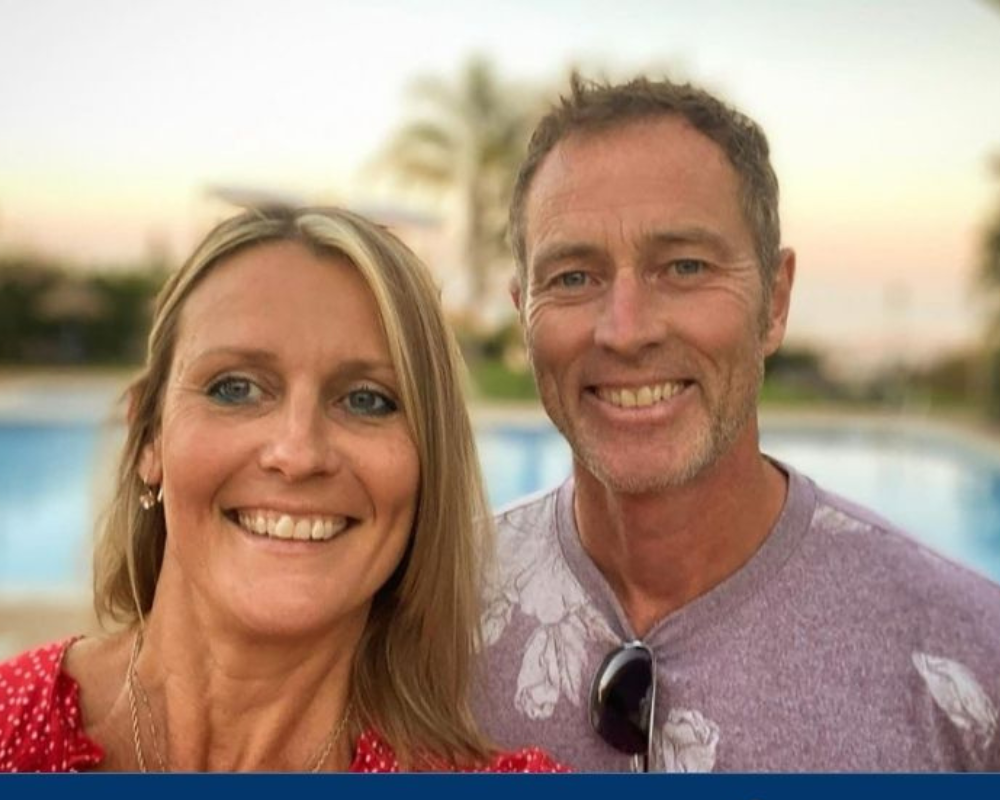
British Couple’s Hunger Strike in Evin Prison Sparks Global Outcry Over Iran’s Hostage Diplomacy
Detaining foreign and dual nationals to use as bargaining chips is one of the most disturbing tactics associated with Iran’s human rights record. A British couple’s deteriorating health behind the walls of Evin Prison is now bringing renewed international attention to this practice — and raising urgent questions about how long they can survive without intervention.
Who Are Craig and Lindsay Foreman?
Craig Foreman and his wife, Dr. Lindsay Foreman, were touring Iran on a guided motorcycle trip when they were detained. Despite traveling with an official tour guide, the couple was later convicted on charges widely regarded as fabricated. Rights advocates point to their case as a clear example of state-sponsored hostage-taking — using foreign detainees as diplomatic leverage rather than prosecuting genuine crimes.
Why the Couple Began a Hunger Strike
After an appeals court rejected their case in June 2026, the Foremans launched a hunger strike in protest of what they describe as a politically driven conviction. Their action also responds to a ban on family contact and what supporters call excessive judicial punishment. Sources close to the case suggest that scrutiny of the couple intensified after they discussed Iran’s execution rate with a foreign news outlet — a move that appears to have triggered harsher treatment.
Their protest has now stretched into a medical emergency:
- Craig Foreman has refused food for more than 50 days and has reportedly lost around 16 kilograms.
- Lindsay Foreman has been on hunger strike for over 40 days, losing approximately 14 kilograms.
Lindsay Foreman’s Deteriorating Health
Held in Evin’s women’s ward, Dr. Lindsay Foreman is said to be barely able to walk. Reports describe severe hypotension, tremors, dizziness, and extreme fatigue — all consistent with prolonged starvation. Prison staff have reportedly refused to send nurses to check on her and have not properly recorded her medical condition. To reach the clinic, she allegedly has to walk down a long corridor and climb roughly 30 stairs — despite going without a medical exam for around ten days. Her family has described the couple’s ordeal as living through “hell on earth.”
Craig Foreman’s Statement From Inside Evin
In a message shared from prison, Craig Foreman reportedly said the charges against them were built on manufactured evidence designed to secure the harshest possible sentence. He maintains that neither he nor his wife are spies, and describes their situation as having escalated from difficult to life-threatening, especially given rising regional tensions.
A Wider Pattern: How Iran Treats Foreign and Political Prisoners
Advocacy groups argue the Foremans’ ordeal reflects a much broader system of abuse inside Iran’s prisons, affecting political, religious, and ordinary detainees alike:
- Medical neglect as punishment — Denying sick prisoners access to hospitals or specialists is a recurring tactic, echoing other documented cases inside Evin.
- Psychological pressure through isolation — Prisoners are frequently cut off from their families and left in prolonged uncertainty about their fate, a practice rights monitors link to severe psychological harm among detainees.
- No safety planning during crises — When regional tensions rise, prisons reportedly offer no added protection for inmates, leaving them exposed to heightened risk with no formal safeguards.
What Needs to Happen Next
Rights organizations are calling for coordinated international pressure, including:
- Publicly challenging fabricated charges — Human rights bodies and global forums are urged to document and expose the lack of evidence behind politically motivated convictions.
- Independent medical access to Evin Prison — Groups are pressing the Red Cross and World Health Organization to secure entry for independent observers to assess and treat prisoners like the Foremans.
- Accountability for judges and officials — Those responsible for issuing sentences based on fabricated evidence should face targeted human rights sanctions.
- Linking diplomacy to prisoner welfare — Governments engaging with Tehran are being urged to make any dialogue conditional on ending medical neglect and releasing wrongfully held detainees.
Final Thoughts
The right to life shouldn’t depend on nationality or politics. As Craig and Lindsay Foreman’s health continues to decline inside Evin Prison, their case has become a stark symbol of how detained foreigners can be used as leverage in international relations — and why silence in the face of such treatment only enables it to continue.